
Some of my books already exist in English.
They are older self-published editions, released under my former author name Endralon Niuuhalast. Today I publish as Antonín Deliš, but this older English trace still belongs to me.
I do not want to hide it.
I do not want to pretend it was made by someone else.
And I do not want to present it as a polished international literary campaign, because that would not be true.
It is something more fragile than that.
More human.
More archival.
These books are like first doors — books that began in Czech and tried to cross the border by themselves before anyone officially invited them to do so.
They carry an earlier name, an earlier visual identity, an earlier version of the world. They also carry the urgency of a writer who wanted to be read beyond one language, even before the bridge was fully built.
That is why I still consider them alive.
Not perfect.
But alive.
A Former Name, Not a Disappeared Person
The name Endralon Niuuhalast belongs to an earlier period of my work. It was not a mask in the simple sense of the word. It was more like a territory — a name attached to a private mythology, to experiments, to books, music, images, invented worlds, and the need to create a space where ordinary reality was not enough.
Today I publish as Antonín Deliš.
That is the name I use publicly now.
But the older name remains part of the archive. It is written into the covers, the editions, the metadata, the first attempts to reach readers outside the Czech language.
An author does not always move in a straight line.
Sometimes the work goes ahead.
Sometimes the name changes later.
Sometimes the books remember a version of the author that no longer stands at the front door, but still lives somewhere in the walls.
The First Door: Besame mucho
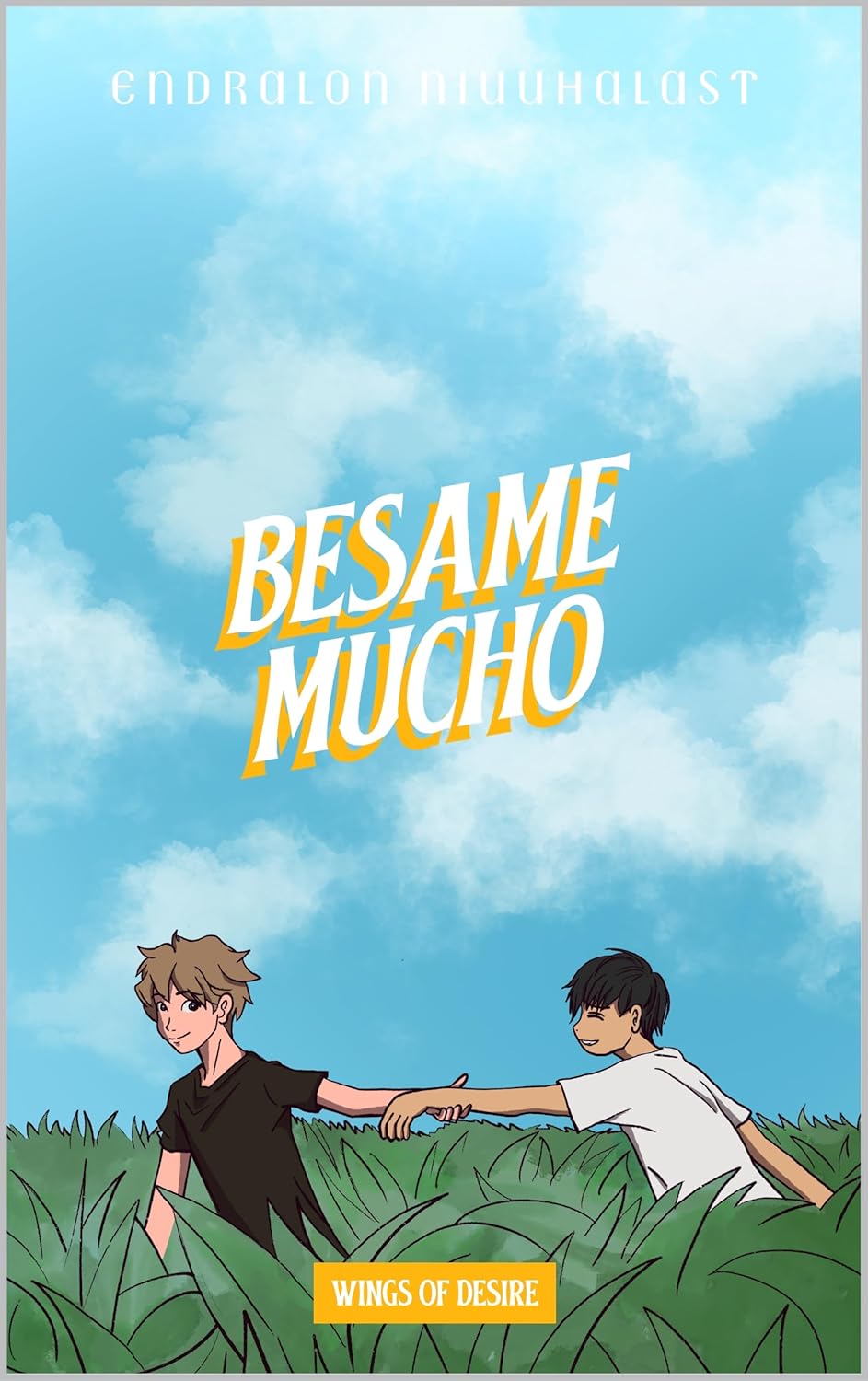
The first door is Besame mucho: Wings of Desire.
At first glance, it may seem almost tender.
There is sky. Youth. Soft light. The feeling of a life still opening. But this brightness is not a promise that nothing painful will happen. It is part of the trap.
The story begins almost like a story of childhood, but Benjamin grows out of childhood quickly. He becomes a bohemian. He is drawn toward desire, beauty, performance, escape, and the dream of another life. But then he suffers many incredible losses of loved ones, and his heart is broken in a way that cannot be repaired by style, travel, or fantasy.
The question becomes simple and cruel:
Can someone learn to love again after life has taken too much away?
Benjamin’s journey leads toward New York, but New York is not only a city here. It is an image. A dream. A projection. A place where a person imagines he might finally become someone else.
And, as the saying goes, look for the woman behind everything.
Lili, the femme fatale, becomes the light he follows like a moth. But even his path is not straight, even though it seems to be paved. Something is withheld from him. Something is waiting inside the story like a door that does not open when it should.
Besame mucho: Wings of Desire is about youth, grief, beauty, longing, and the first major wound that changes the shape of a person.
English edition:
https://tinyurl.com/m8rywxbf
The Second Door: New Jeff Buckley was born
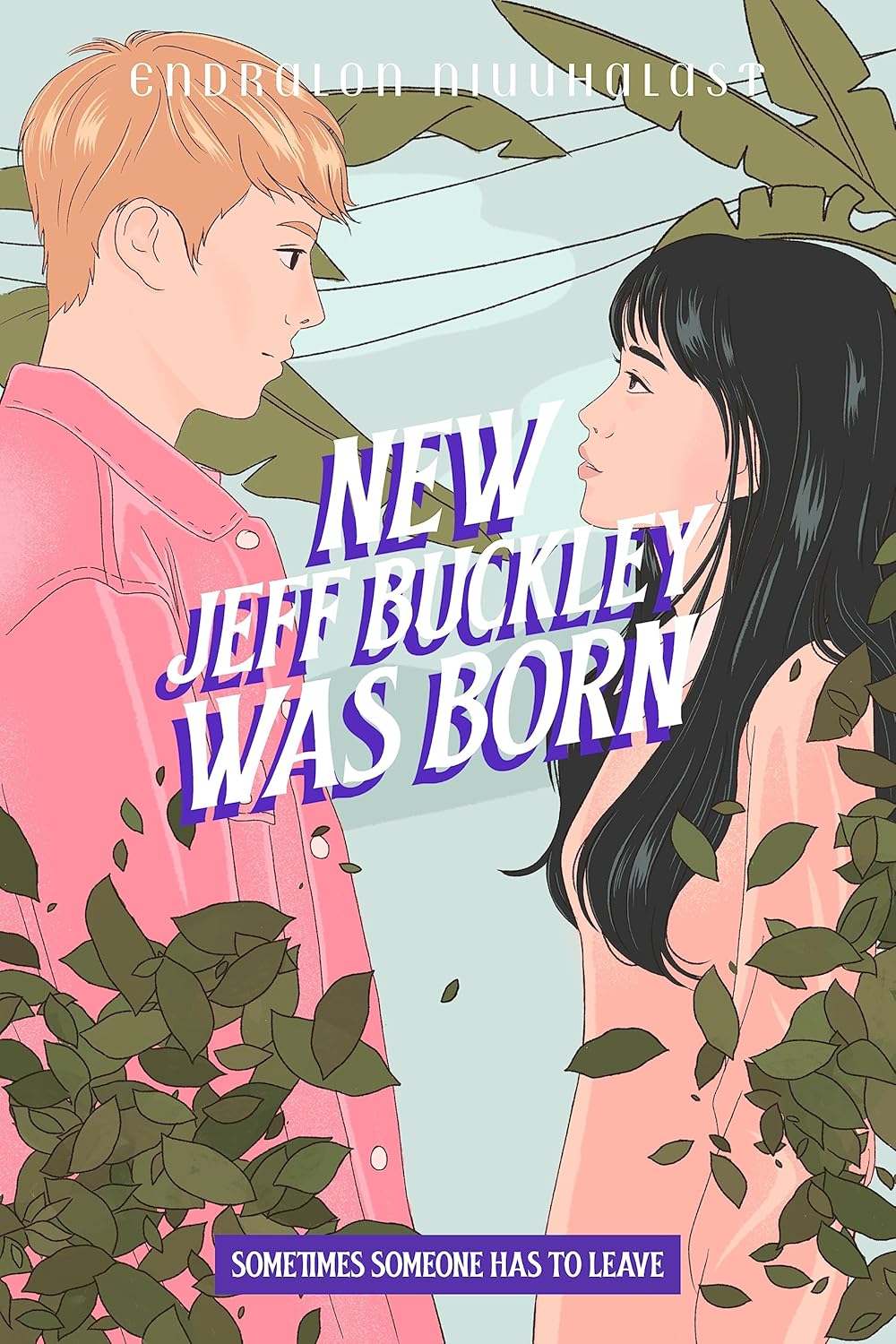
The second door is New Jeff Buckley was born: Sometimes someone has to leave.
Pavel finds himself in New York against his will.
He does not want to stay there.
But now he has no choice.
New York becomes both his prison and his possible release from a troubled past. The city does not simply welcome him. It surrounds him. Presses on him. Changes the rhythm of his suffering.
Something like a higher destiny begins to influence him. He becomes an empty vessel for the souls of dead artists. This is not fame in the ordinary sense. It is possession, echo, memory, haunting. The dead do not disappear. They pass through the living. They demand shape.
The oppressive conditions that engulf Pavel, and the people he meets, slowly unravel him. They untie his soul from its earthly suffering, not gently, but necessarily.
The story is told from end to beginning.
Eventually, time goes in all directions.
This book is not only about New York. It is about what happens when the past refuses to stay behind us, when identity becomes porous, and when art is not a career but a wound through which other voices enter.
New Jeff Buckley was born: Sometimes someone has to leave is about departure, destiny, artistic haunting, and the strange mercy of being undone.
English edition:
https://tinyurl.com/ym4r2m65
The Third Door: Ghosts of Umag
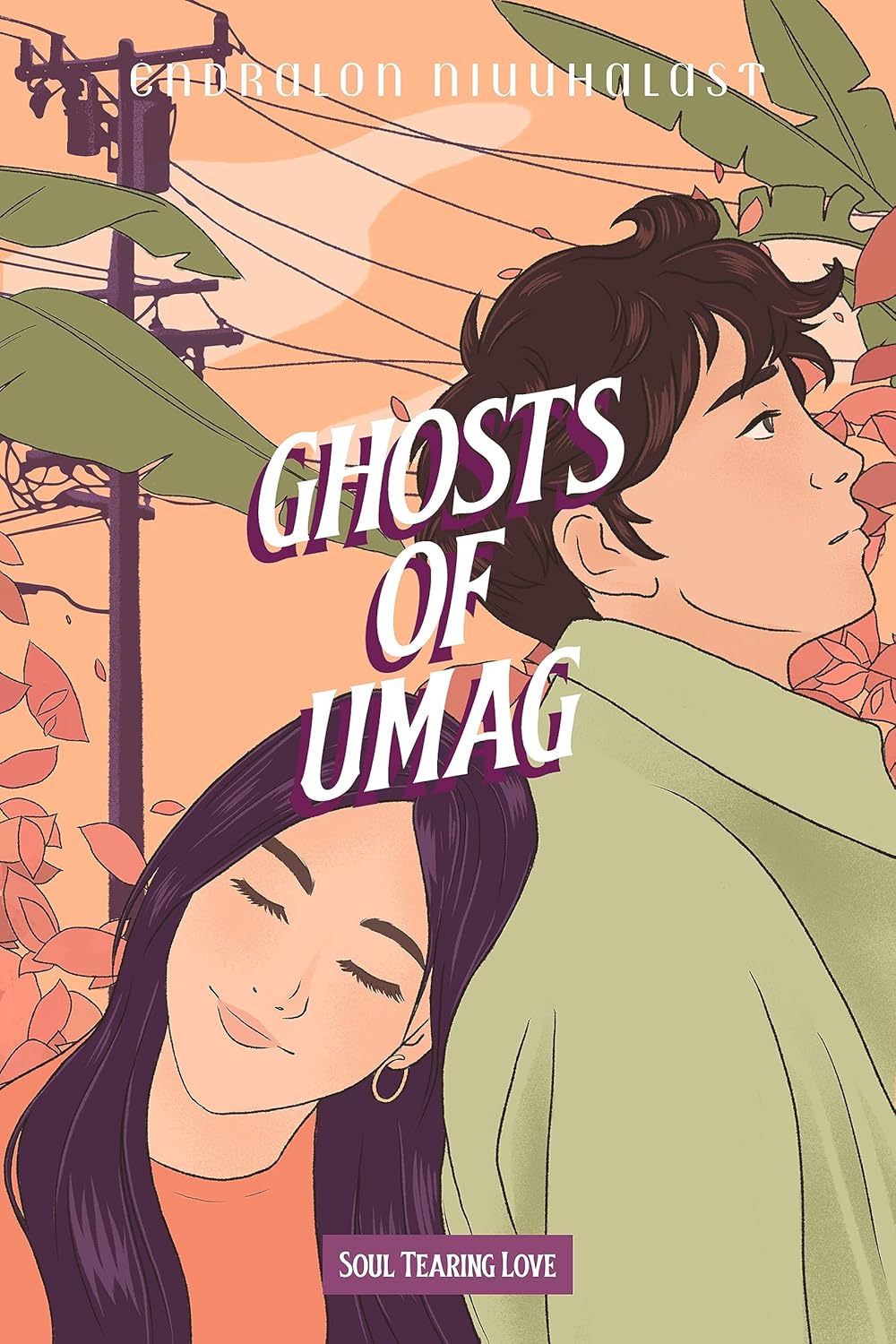
The third door is Ghosts of Umag: Soul Tearing Love.
Stano returns to Croatia, to Villa Prepotentan.
A villa is never only a building.
It is a witness.
It keeps the shape of what happened inside it. It remembers voices, bodies, shame, desire, family roles, departures, and all the things people tried to leave behind.
Stano is reunited with his original family — Gloria, Valerian, Ruth, Celestina — and also meets his old travelling friend Hyun Wook Park. But the real question is not only who returns.
The real question is what the past is trying to reveal to him.
And whether the ghost of the proud villa can forgive him for the secret love of his youth.
In this book, memory is not a soft nostalgic object. It is active. It tears. It opens rooms. It walks through the sea air. It asks for answers.
Ghosts of Umag: Soul Tearing Love is about family, return, Croatia, old love, and the places that keep our ghosts even when we believe we have left them behind.
English edition:
https://tinyurl.com/ywz374v4
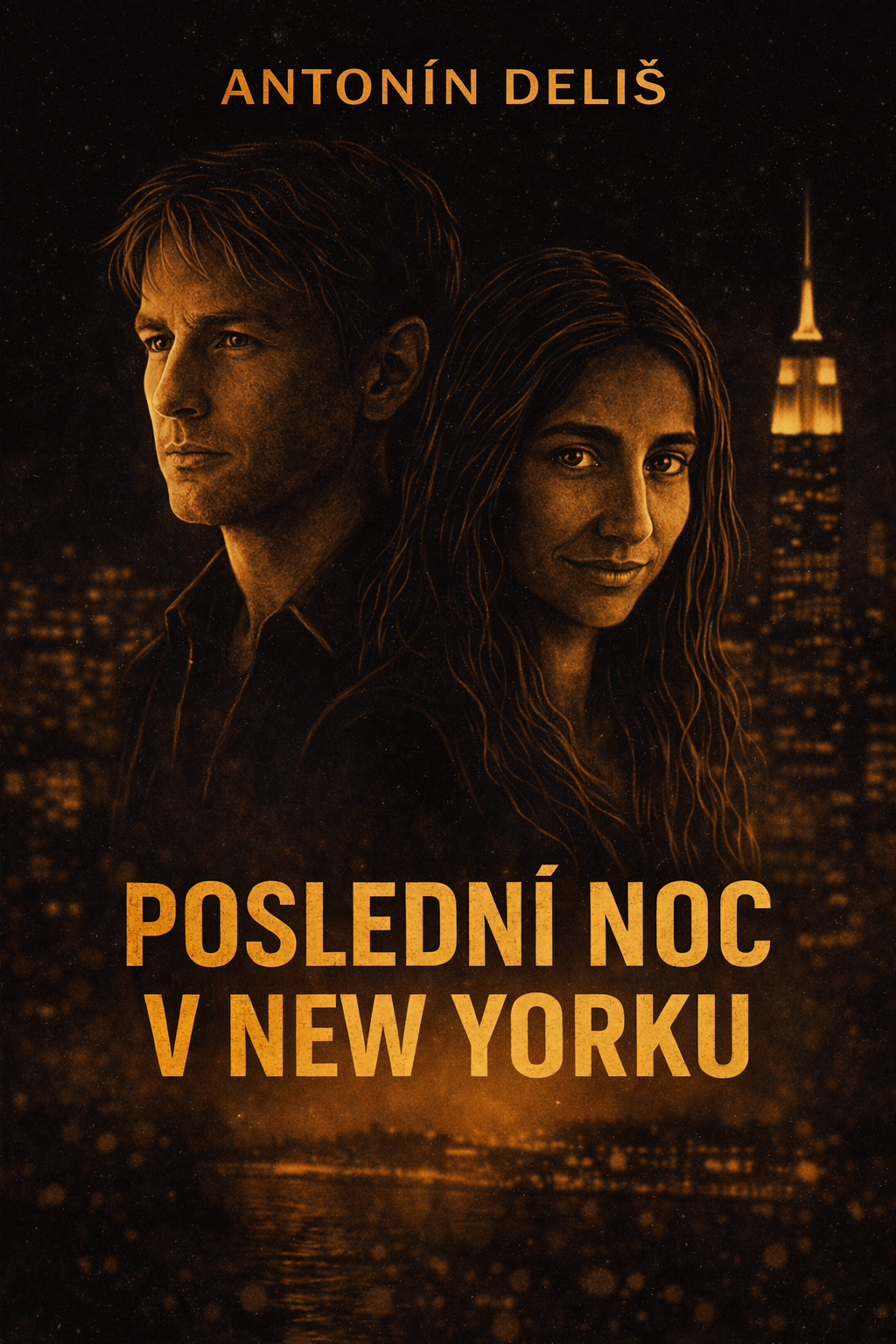
Last Night in New York
Together, these three books form the series Last Night in New York.
At first, they may seem like separate doors.
Benjamin. Pavel. Stano.
New York. Croatia. Villa Prepotentan. Dead artists. Femme fatales. Broken hearts. Secret loves. Families that return like apparitions.
But underneath, the books are connected by the same deeper questions:
What remains of a person when life keeps taking something away?
Can love survive after damage?
Do places remember us?
Can the past forgive us?
And is identity something we own, or something that is constantly rewritten by loss, desire, memory, and fate?
Last Night in New York is a literary labyrinth about love, loss, memory, destiny, and impossible returns.
It is not clean.
It is not comfortable.
It is built from wounds, ghosts, departures, and the strange tenderness that survives after everything else has been damaged.
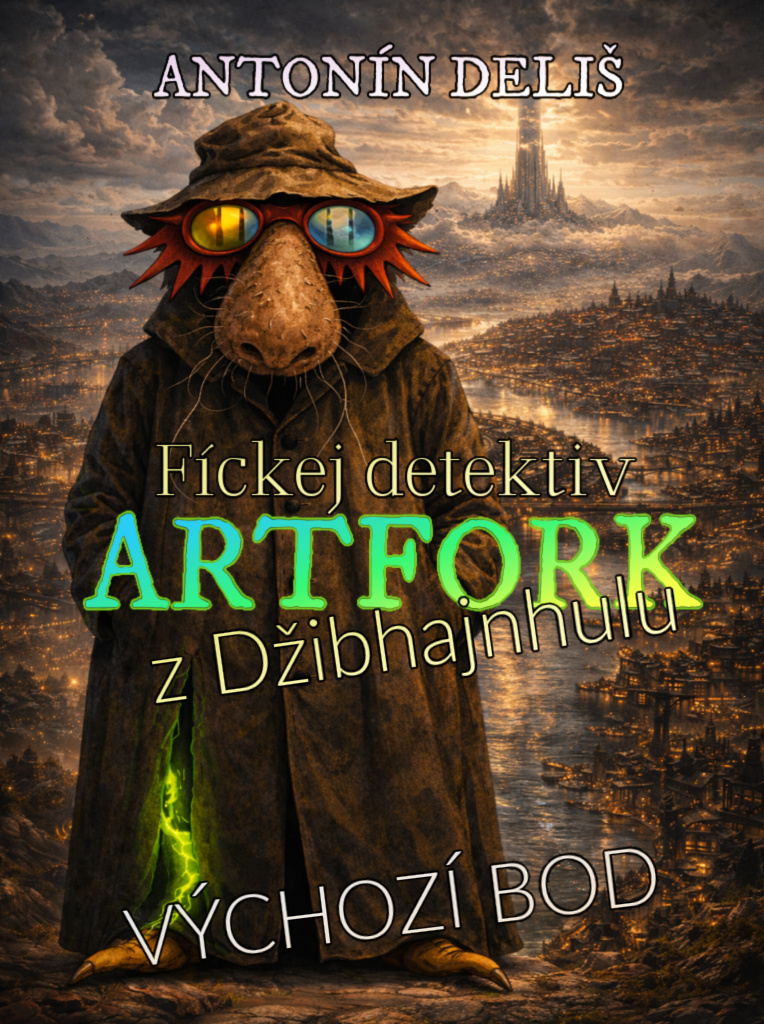
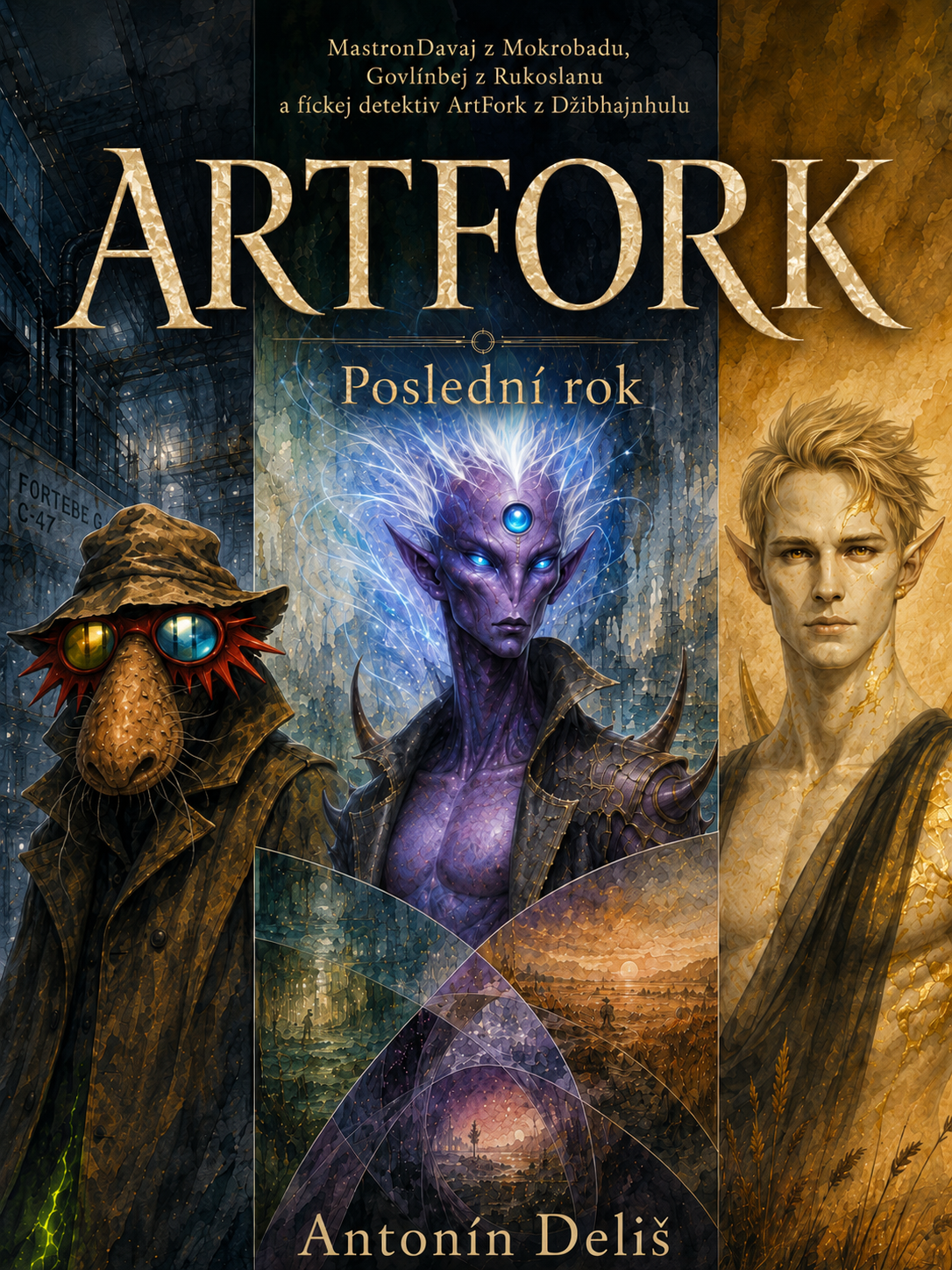
The Fourth Door: ArtFork
And then there is the fourth door:
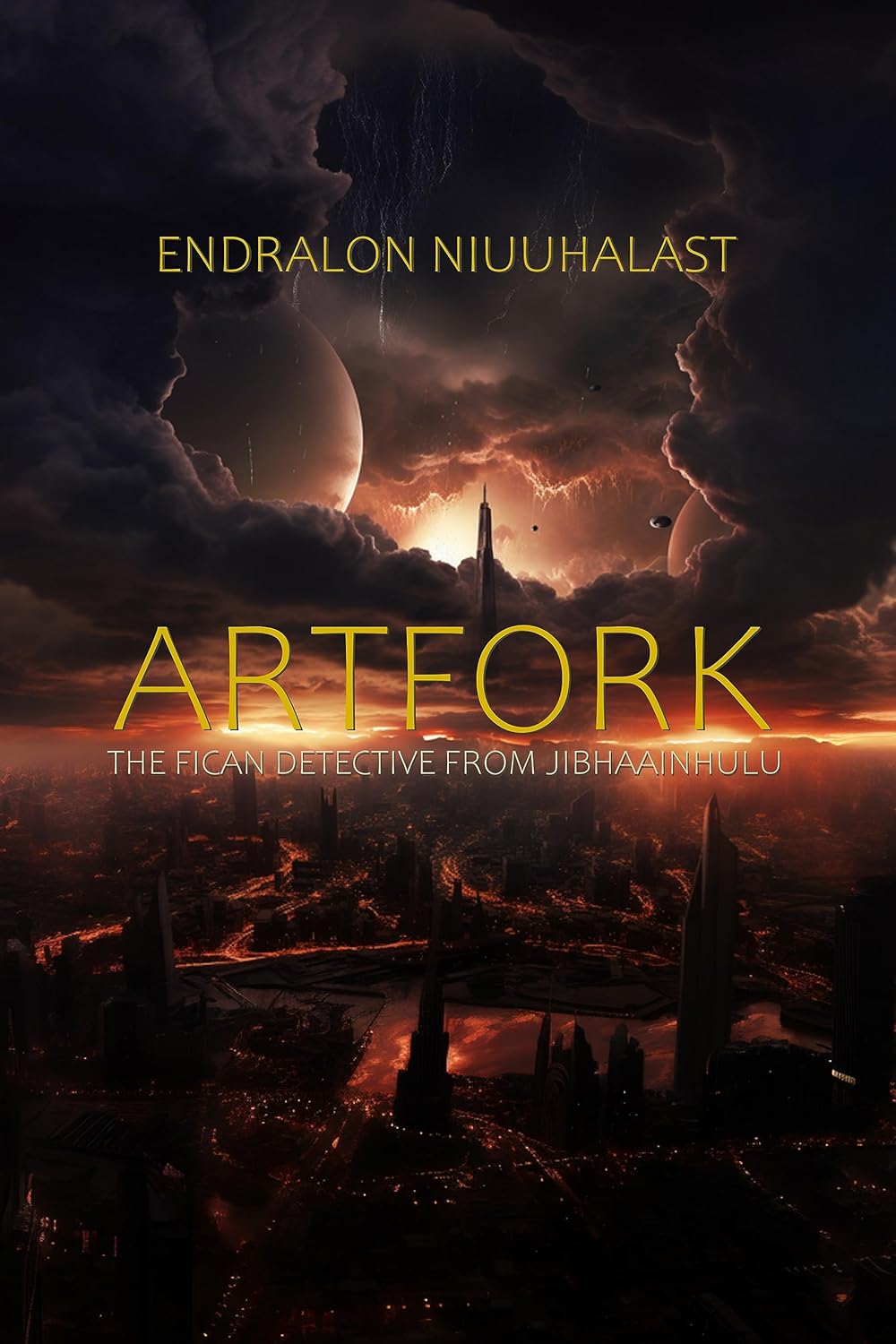
The fican detective ArtFork from Jibhaainhulu: Starting point.
ArtFork belongs to another universe.
It is stranger, harder, more demanding. It does not invite the reader into a gentle meadow. It opens a strange world and asks:
Are you willing to enter before you fully understand?
This book asks the reader to think with it. Otherwise, the depth may be missed. Nothing is exactly as it seems. Who is who? Who loves whom? Who hates whom? What is identity when names, roles, desires, and meanings begin to shift?
And what is the new word that begins to haunt not only the tongue, but also the threads of the brain?
ArtFork is not a book for comfortable times.
It is a preparation for a rainy day.
It teaches the reader not to collapse when the world becomes complicated. It asks for curiosity. It asks for patience. It asks the reader to accept new words, new forms, new derivations, new inventions.
It belongs to a harder part of the Endralon universe — darker, more storm-like, more alien.
But in the end, every story is about love.
Even the one that does not look like a love story at first.
English edition:
https://tinyurl.com/muxafm8c
The Covers Are Part of the World
The artwork of these books is also part of the archive.
The covers of Last Night in New York carry an almost manga-like tenderness: blue sky, grass, young bodies, soft colours, faces turned toward each other or away from each other.
They may seem light at first glance.
But that light is part of the trap.
The books beneath them are about grief, desire, memory, broken identity, strange love, ghosts, departures, impossible returns, and the tenderness that survives after damage.
Besame mucho is sky and youth.
New Jeff Buckley was born is encounter and departure.
Ghosts of Umag is memory, sea, family, and the house that still remembers.
ArtFork, on the other hand, is darker, more storm-like, more alien. It does not promise comfort. It asks the reader to cross a threshold before the world has explained itself.
That difference matters.
The visual identity is not decoration.
It is part of the emotional architecture.
Imperfect, But Alive
These English editions are older self-published books.
I know they are imperfect.
They belong to an earlier stage of my work, an earlier version of my publishing path, an earlier version of the bridge between Czech and English.
But I no longer think imperfection is a reason to erase something.
Sometimes an imperfect edition is also evidence.
Evidence that the work tried to move.
Evidence that the author wanted to reach someone.
Evidence that the world was already larger than one language.
These books are traces of a writer trying to build bridges before anyone officially invited him to cross.
And maybe that is why I still feel tenderness toward them.
They are not final monuments.
They are first doors.
Books in English
If you read in English, these books may be one possible entrance into my literary world.
Besame mucho: Wings of Desire
https://tinyurl.com/m8rywxbf
New Jeff Buckley was born: Sometimes someone has to leave
https://tinyurl.com/ym4r2m65
Ghosts of Umag: Soul Tearing Love
https://tinyurl.com/ywz374v4
The fican detective ArtFork from Jibhaainhulu: Starting point
https://tinyurl.com/muxafm8c
Antonín Deliš
formerly also publishing as Endralon Niuuhalast